-
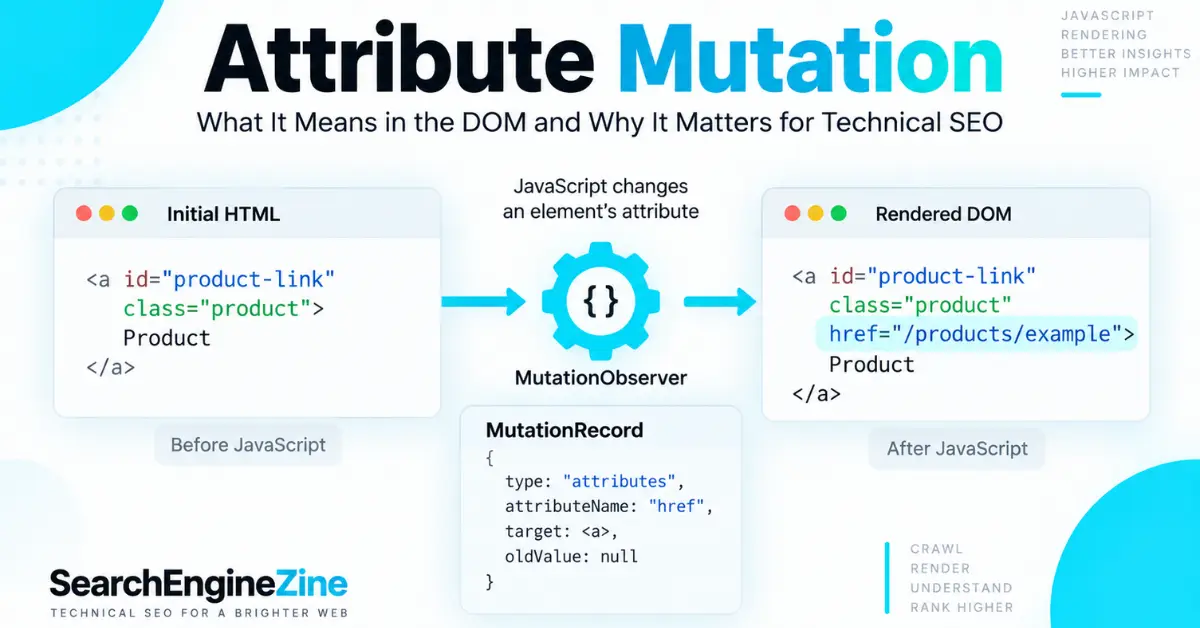
Author Bio Schema: How to Add Person Markup for SEO
Author bio schema helps search engines identify the person behind a website’s content by connecting an author’s name, profile page, professional details, and other relevant identity information through structured data.




-
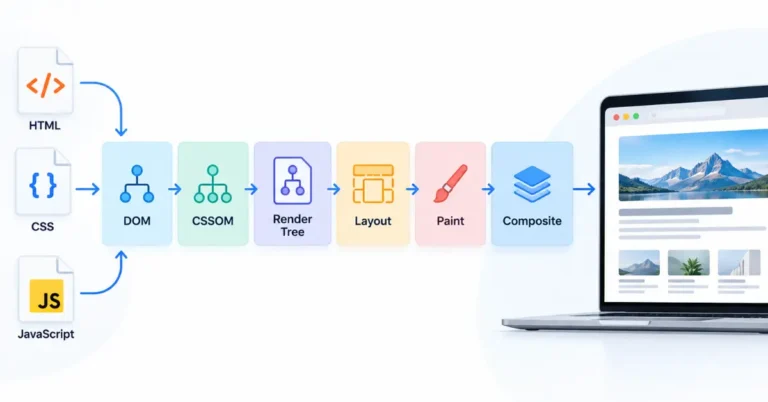
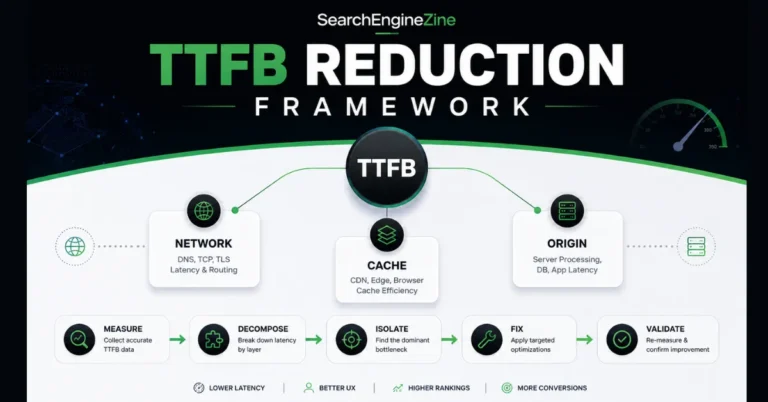
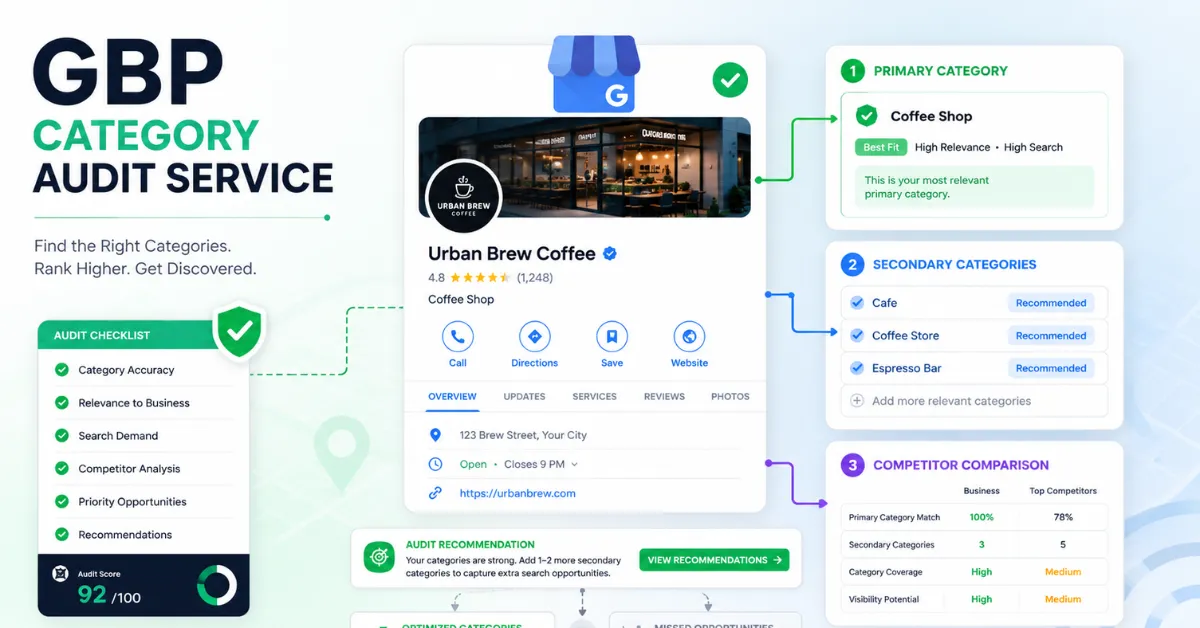
Mastering the GBP Category Audit: 5-Step GBP Category Audit Methodology
A Google Business Profile GBP category audit is the process of analyzing, benchmarking, and optimizing a local business’s primary and secondary category assignments against top-ranking competitors









-
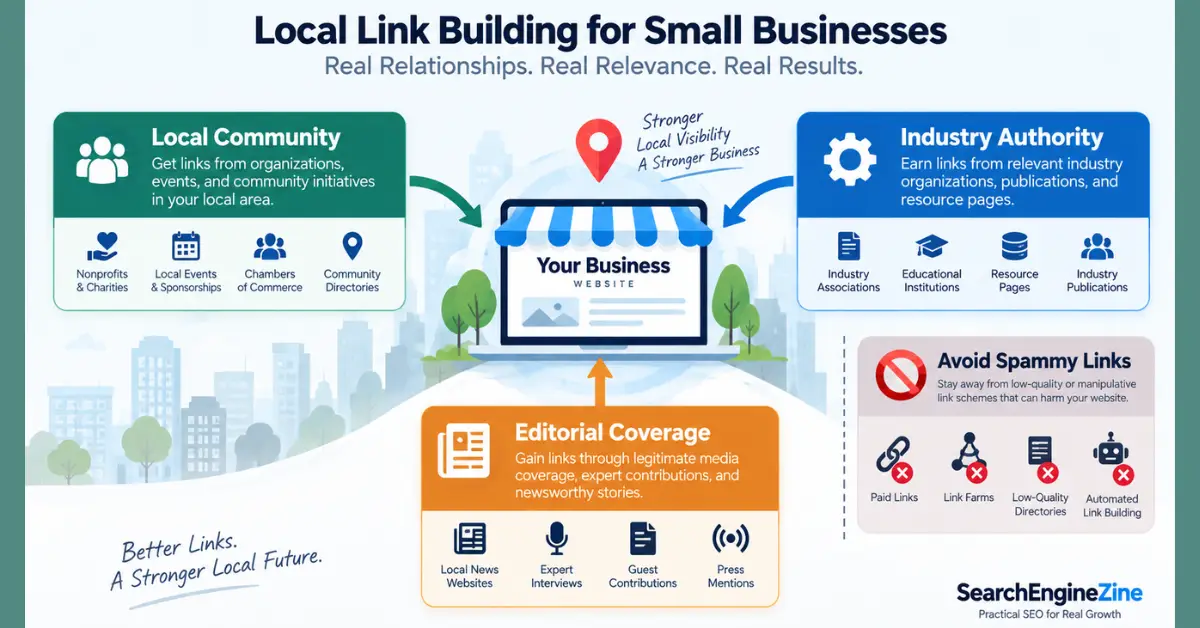
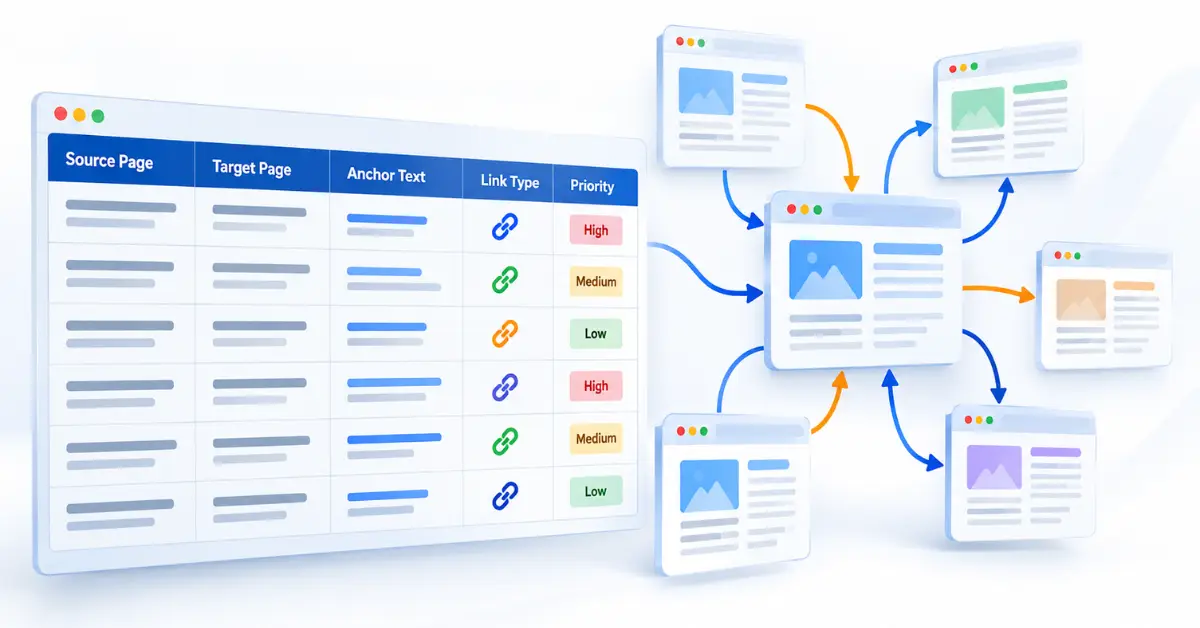
Topic Cluster Audit: How to Map, Measure, and Master Semantic Gaps
A topic cluster audit is the systematic evaluation of a website’s interconnected content hubs to identify semantic gaps, optimize internal linking pathways, and resolve keyword cannibalization.





-
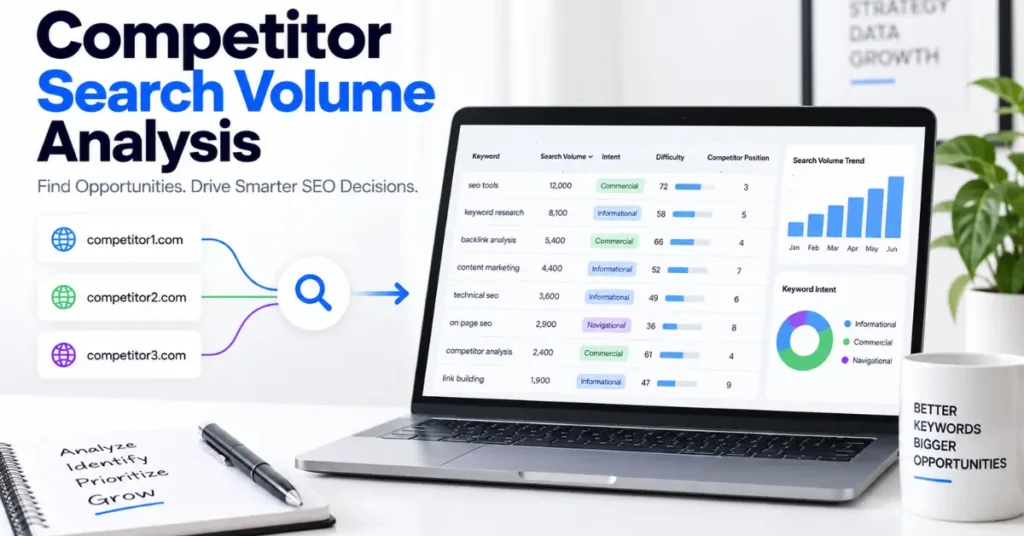
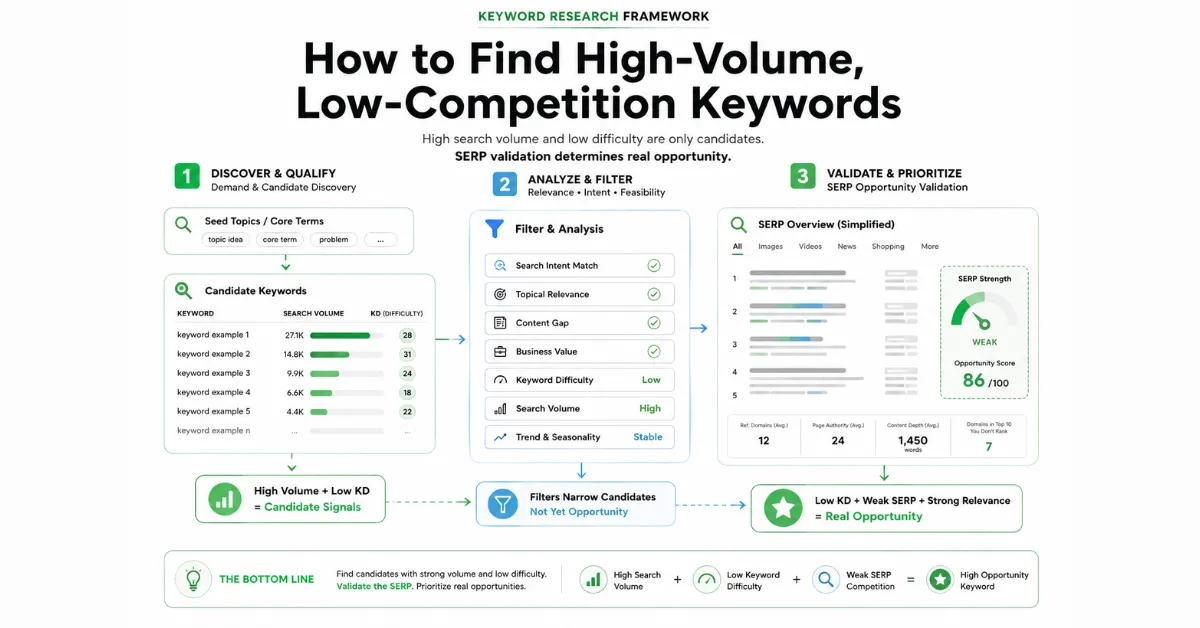
Competitor Search Volume Analysis: A Practical SEO Workflow
If you want to perform Competitor Search Volume Analysis, the first distinction to understand is that competitors do not have a single “search volume” number.



-
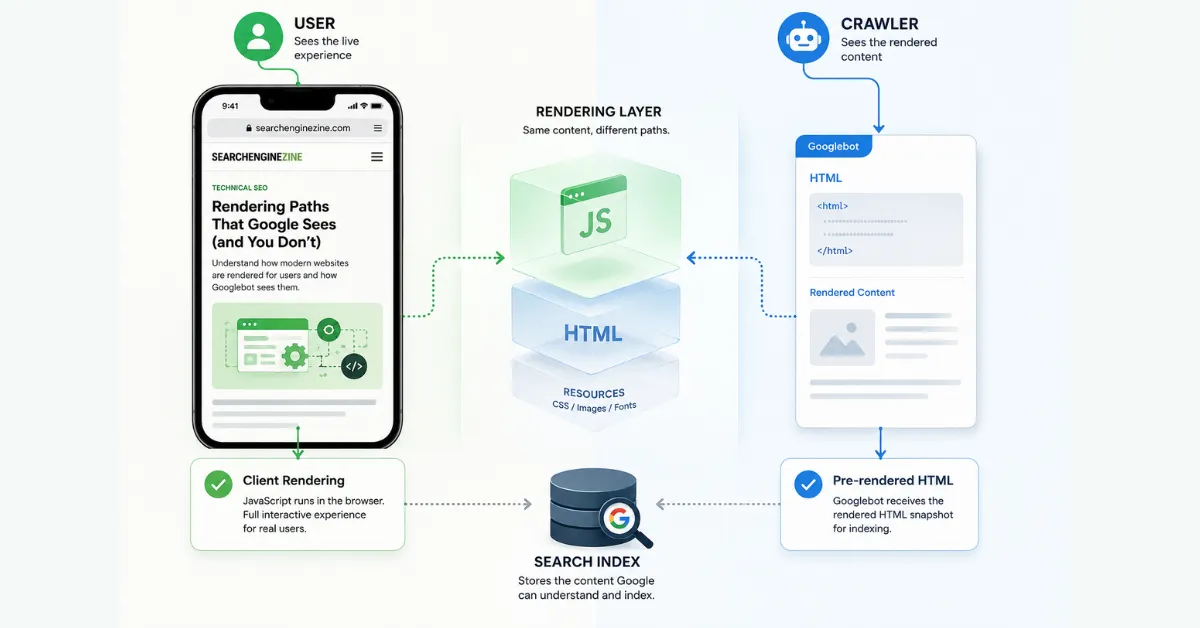
PWA SEO Service Workers: What SEO Professionals Need to Check
A Progressive Web App can be SEO-friendly, but service workers are not an SEO requirement and are not, by themselves, a Google ranking factor.




-
Synthetic Data Generation: How It Works, Methods, Uses, and Privacy Limits
Synthetic data generation is the process of creating artificial data that reproduces useful characteristics of real-world data without simply copying the original records.



-
The Powerful SEO Techniques for Handling Mobile Only Content
With mobile viewports serving as the absolute foundation for search indexation pipelines, any gap between your desktop layout and your mobile code poses a massive compliance risk.



Powerful Enterprise AI Data Auditing Techniques
The complete architectural blueprint for auditing training datasets, securing RAG vector perimeters, and enforcing global regulatory compliance across high-risk generative models.